What Is Tai Chi Walking? How Guided 5-Minute Sessions Build Lasting Balance
ByTaioga Editorial
Updated onJuly 21, 2026
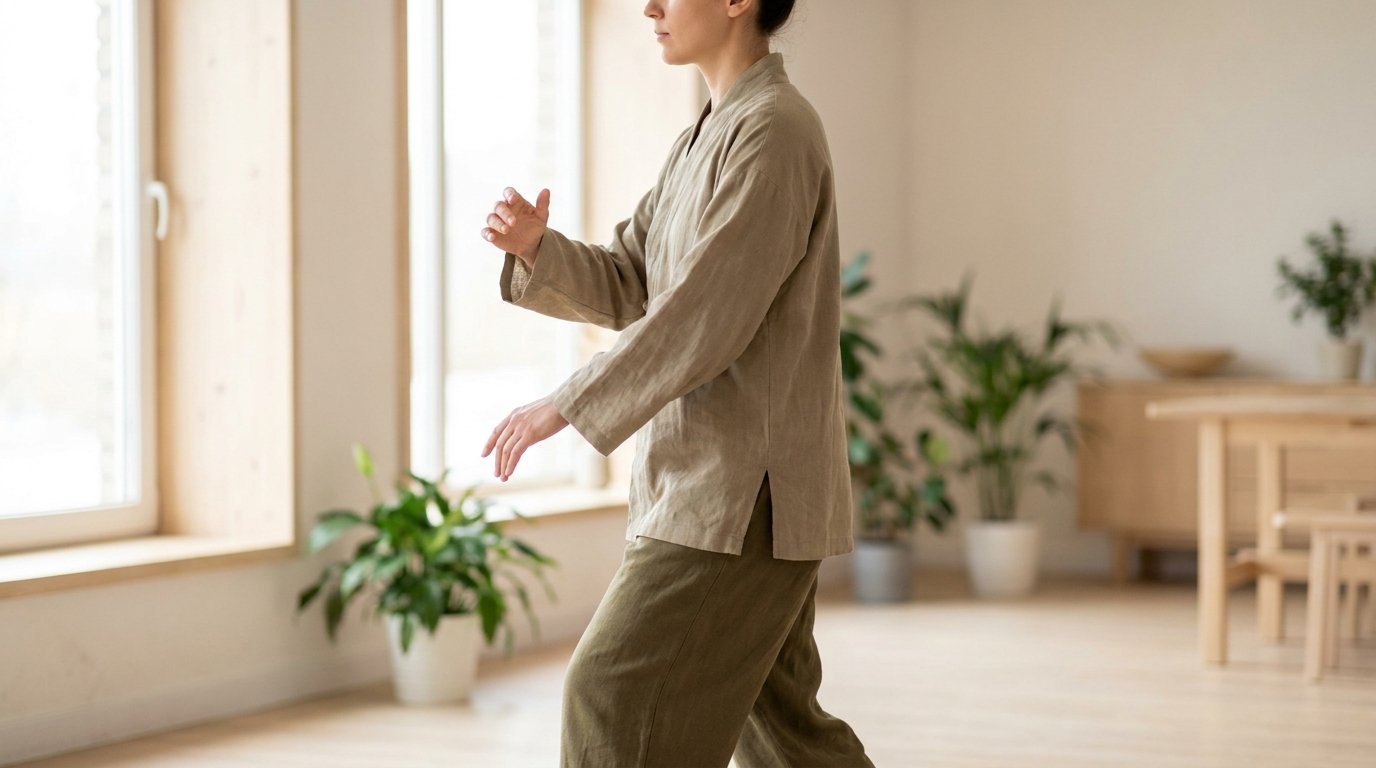
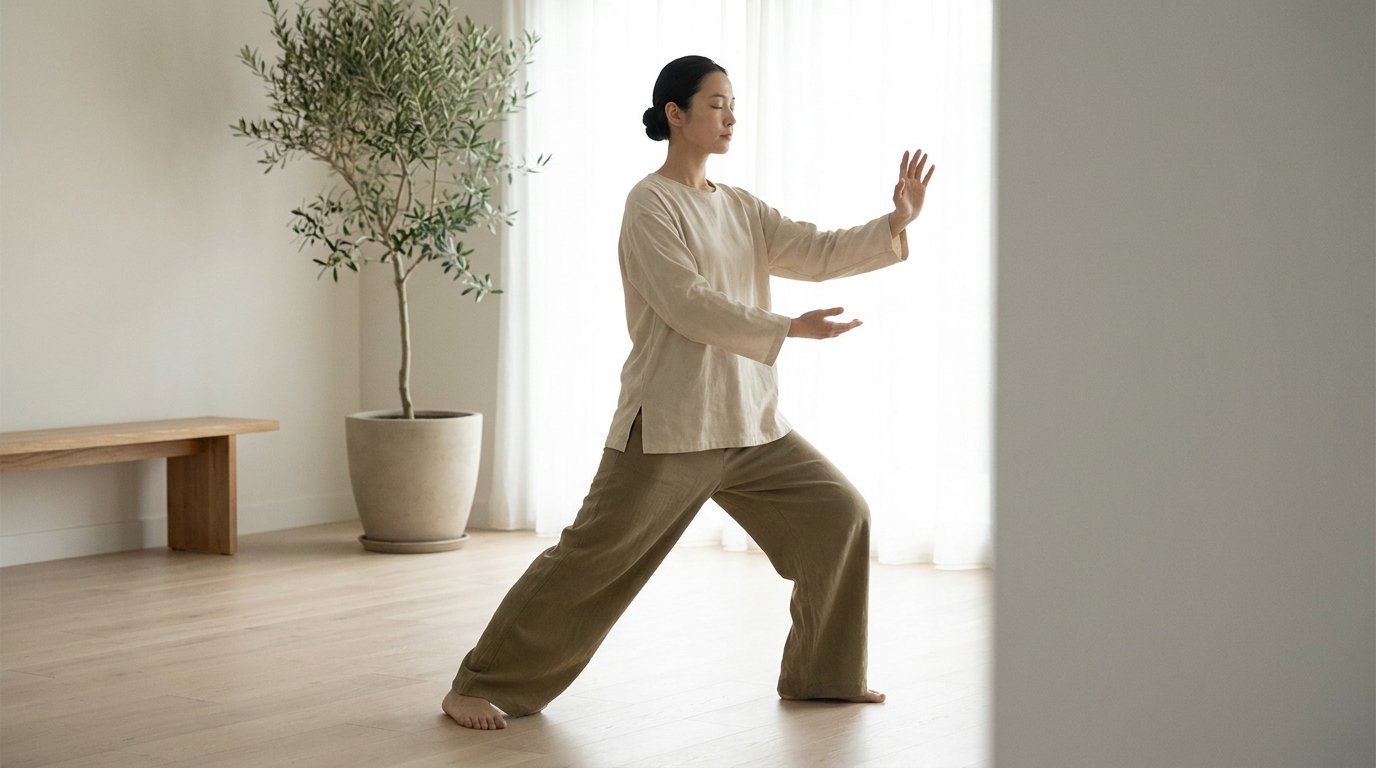
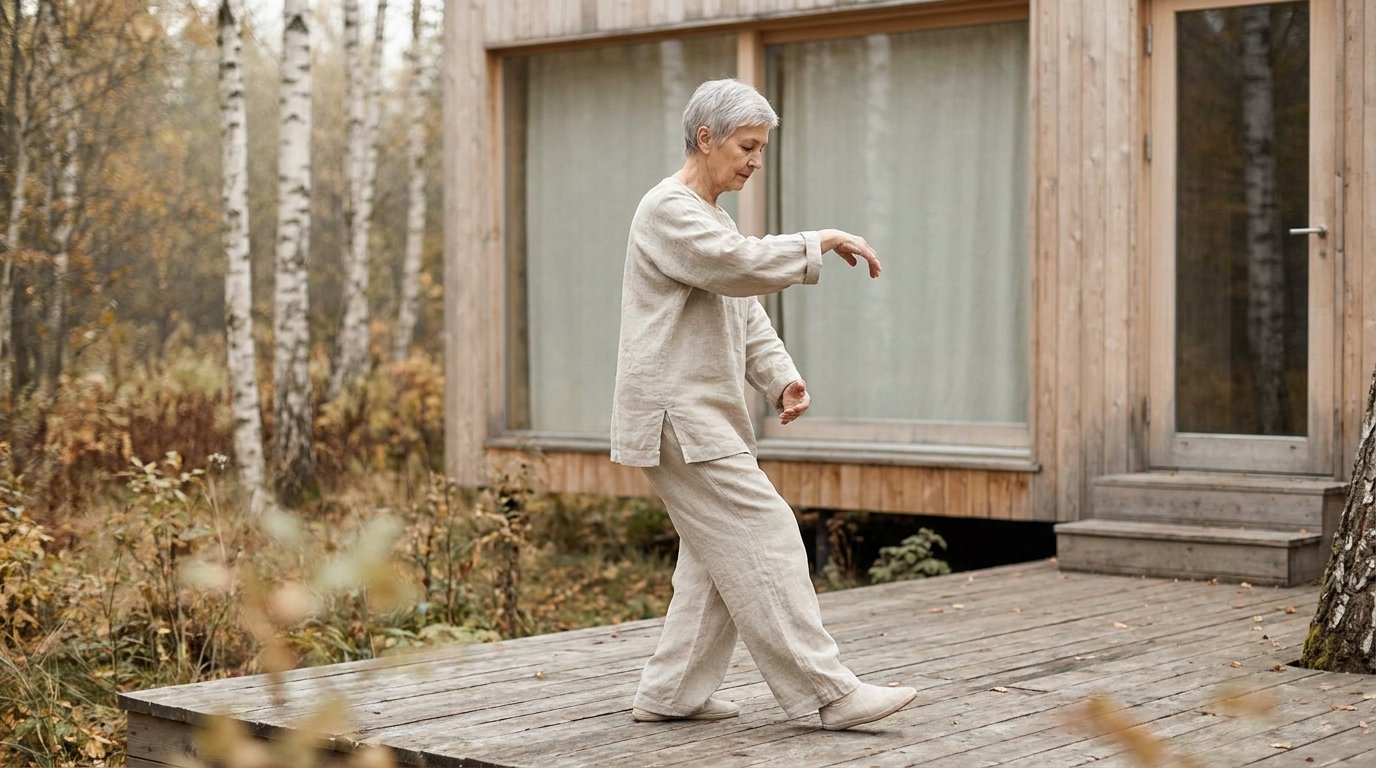
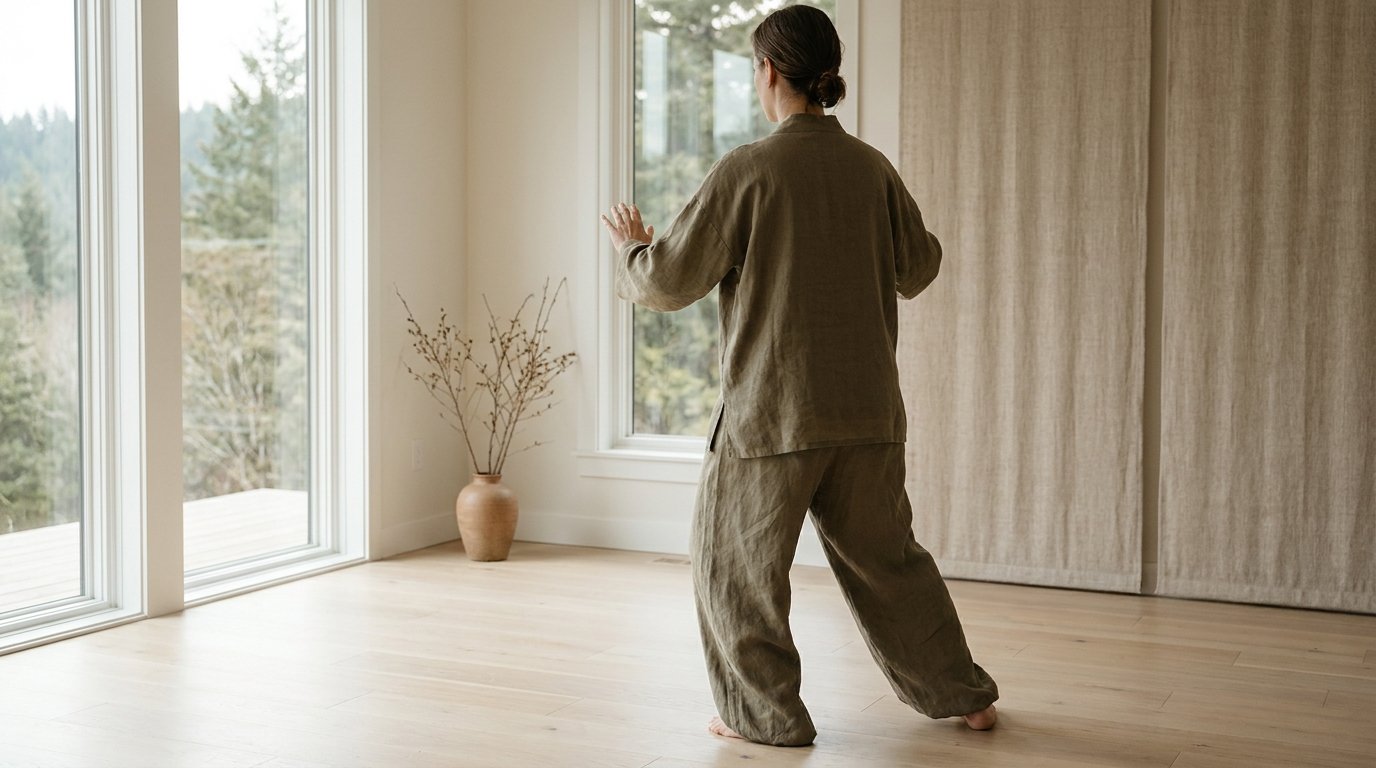
Walking usually means rushing from point A to point B, but slowing down can transform how your body moves and feels. Tai chi walking is a mindful, slow-paced gait practice that focuses on shifting your weight completely to one leg before taking a step.
Users report this low-impact movement fits easily into daily routines without requiring extra equipment or intense cardiovascular strain. Practicing these deliberate steps helps adult bodies recover natural stability while reducing stress.
Short daily sessions make this accessible for anyone managing work and family schedules. Let us explore exactly how this gentle practice delivers measurable wellness gains over time.
Understanding What Is Tai Chi Walking
The foundation of this movement lies in intentional, continuous weight transfer. Every step requires you to anchor your body fully on one side before the other foot leaves the ground.
Core Definition and Daily Fit
Testing reveals this approach improves posture for adults by forcing the core to engage during each slow transition. Instead of falling forward into the next step like standard walking, you lower your foot with complete control.
Short 5-minute daily sessions from recent research make it accessible without requiring gym time. The practice requires no special footwear or large open spaces, making it ideal for indoor home routines.
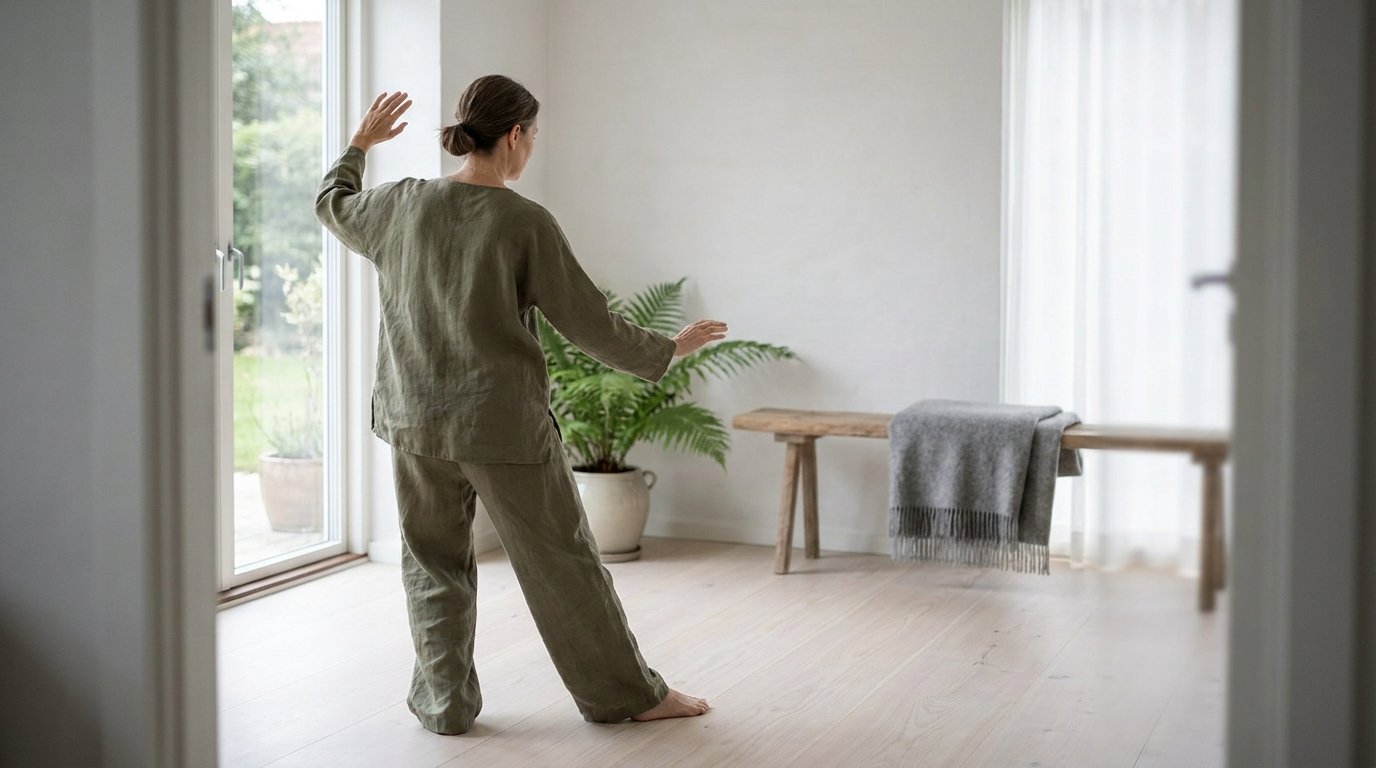
This deliberate pacing contrasts sharply with how most people move through their day. The table below outlines the core differences between these two styles of movement.
| Feature | Tai Chi Walking | Regular Walking |
|---|---|---|
Primary Goal | Mindful balance | Reaching destination |
Pacing | Slow and deliberate | Brisk and automated |
Weight Shift | 100% transfer first | Continuous forward fall |
Joint Impact | Very low | Moderate |
By shifting the focus from speed to control, the body relearns proper alignment. This mindful awareness naturally translates into better mechanics during everyday activities.
Key Benefits and How It Works
Consistent practice yields physical and mental advantages that traditional cardio often misses. Breaking down these research-backed outcomes shows why slower movement produces such lasting changes.
Balance and Energy Gains
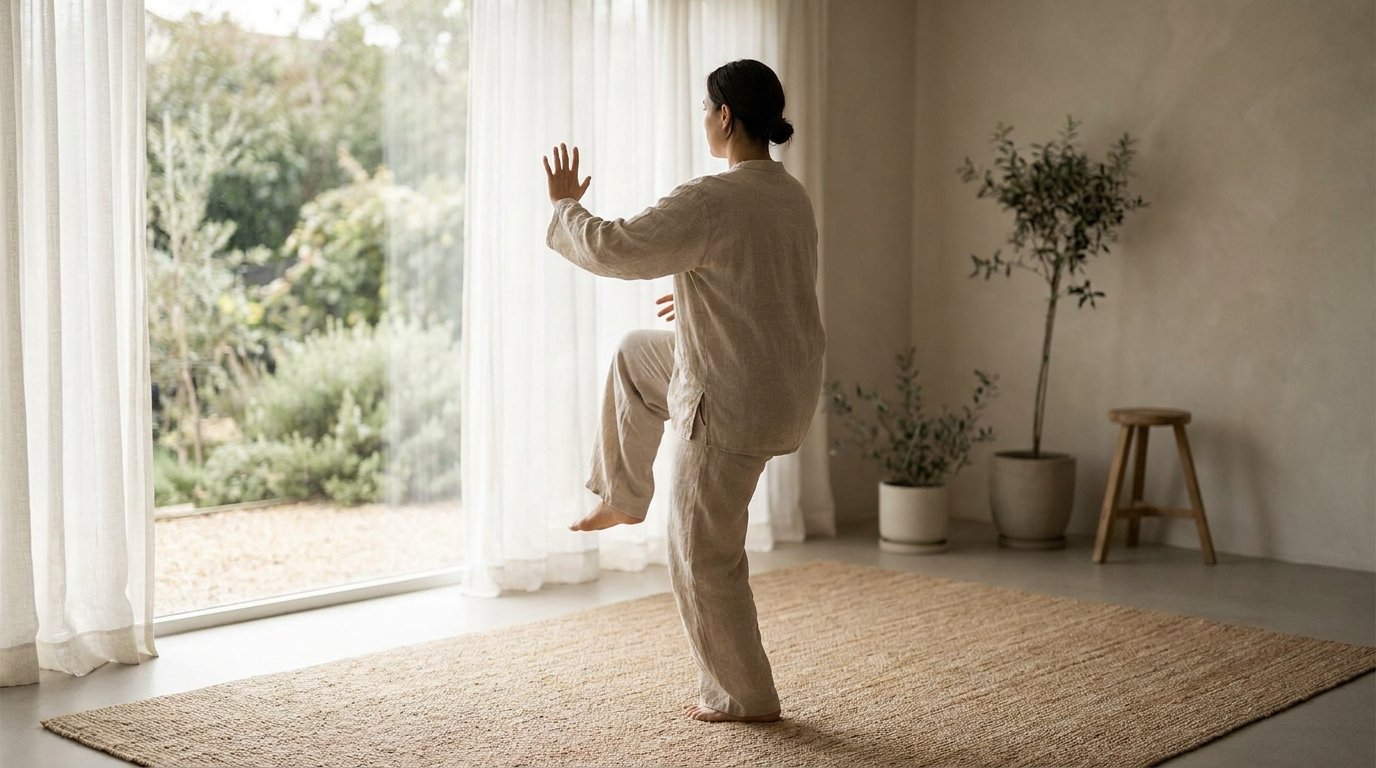
Studies indicate that tai chi walking enhances cognitive function more than brisk walking by demanding constant physical awareness. This active brain engagement pairs with muscle stabilization to effectively reduce fall risk as the body ages.
Users report natural metabolism boosts when this mindful movement pairs with a flexible meal plan. Concrete 5-minute sessions fit busy routines and support steady weight loss without strict dieting protocols.
Weight Loss and Habit Building
Short bodyweight sessions improve cardiorespiratory fitness in inactive adults when done consistently three times weekly. For those practicing at home, taioga offers personalized workout plans that adapt to your fitness level automatically.
The platform tracks your daily progress, ensuring those short 5-minute routines fit seamlessly into busy adult schedules. What sets this apart is how the app pairs gentle movement with personalized trackers to keep motivation strong.
Monitoring steps, water intake, and fasting periods in one place prevents the overwhelm that often stops beginners from seeing results. Following an easy-to-use plan creates sustainable routines that tone the body gently without requiring high-impact stress.
Practical Tips for Getting Started
Starting a new physical practice requires patience and a safe environment. Clear a small space in your home and choose a time when distractions are minimal.
First Session Walkthrough
Begin with a full weight shift to one leg before attempting to move the other foot. Practicing controlled movement safely builds confidence quickly during the first few weeks.
Having structured guidance removes the guesswork and ensures you maintain proper alignment. Here is a simple daily sequence using taioga to build your routine:
Guided Practice Steps
- Initial Setup - Open taioga and select a 5-minute beginner walking module.
- Body Posture - Stand tall and follow the visual guide for proper spinal alignment.
- Weight Shift - Transfer your weight fully to one leg as prompted by the audio instruction.
- Controlled Step - Place your empty heel down slowly while monitoring your pace.
- Progress Tracking - Log the session in the app to maintain your daily wellness streak.
Consistent short sessions often yield better long-term balance results than infrequent hour-long classes.
Add habit trackers right away to monitor steps and water intake alongside the movement practice. This holistic approach ensures your body has the hydration needed for proper joint function.
Common Mistakes to Avoid
Even with gentle exercises, certain pitfalls can slow your progress and frustrate your efforts. Identifying these early ensures your practice remains safe and effective.
Rushing or Skipping Mindful Shifts
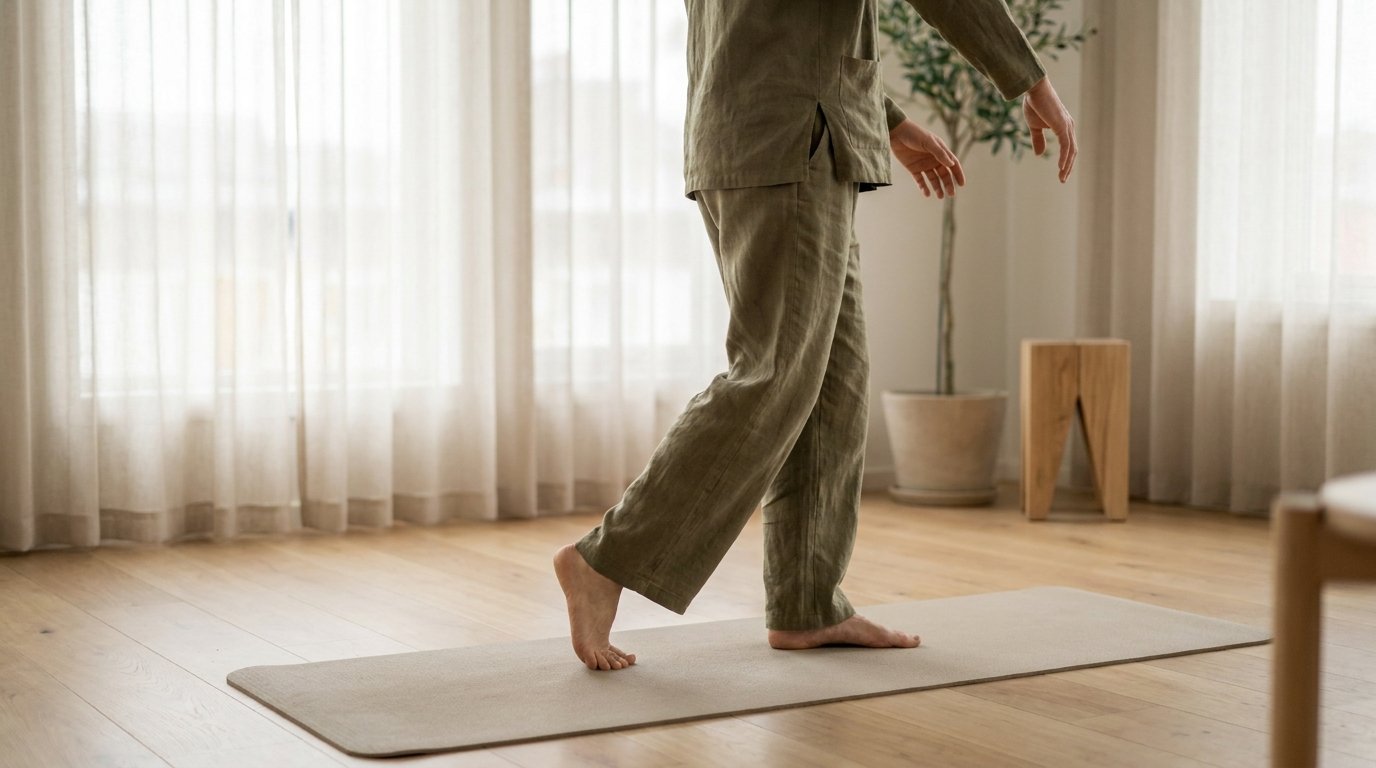
Speeding through the steps loses the joint-safe, deliberate pace that research shows protects balance. Maintaining the right tempo is much easier when using guided digital tools.
Users often find that following the visual pacing in taioga prevents them from speeding up unconsciously. Real-time guidance keeps the focus on proper muscle engagement rather than just finishing the steps.
Another frequent mistake is skipping daily consistency checks, which reduces overall motivation over time. Always use step counters and friendly challenges to stay on track with short sessions.
Digital Tools That Simplify Practice
Managing a new wellness routine manually can quickly become overwhelming for busy adults. Modern applications integrate instruction, tracking, and nutrition into one accessible dashboard.
Guided Sessions and Trackers
Practicing a new movement style can feel intimidating without proper visual instruction. Tools like taioga deliver 5-minute guided sessions with step-by-step coaching tailored to your current fitness level.
This approach eliminates the guesswork from home practice while ensuring proper form is maintained. Users report the built-in step counters, water trackers, and daily challenges keep beginners consistent without causing fatigue.
Pairing these routines with an easy-to-follow personal meal plan ensures you see physical changes while enjoying favorite foods. Finding holistic support makes the transition into mindful fitness simple and highly rewarding.
FAQ
How do you do Tai Chi walking?
Execute mindful weight transfer by shifting fully to one leg in slow, deliberate steps before moving the other foot. Practicing in 5-minute home sessions builds muscle memory safely.
Users report noticeable improvements in daily balance after establishing a consistent practice schedule. Keeping the knees slightly bent helps maintain stability throughout the sequence.
What are the health benefits?
Research indicates that this deliberate stepping improves posture, reduces fall risk, and offers unique cognitive gains. Moving slowly requires intense focus, which acts as a moving meditation.
This low-impact exercise also supports sustainable weight loss when combined with daily activity trackers. It provides a joint-friendly alternative to traditional high-impact aerobics.
Is it good for weight loss?
Short low-impact sessions pair excellently with personalized meal plans to support steady fat loss over time. Testing reveals this combination works well for adults over 35 who want to avoid strict diets.
Consistent daily movement naturally boosts metabolism without triggering the cortisol spikes associated with intense cardio. Results vary by individual, but many find the gentle approach highly sustainable.
Can beginners try it at home?
This practice is fully accessible at home with no special equipment needed and guided video steps available. Short 5-minute sessions fit easily into morning or evening routines.
Clearing a small hallway or living room space is enough to practice the basic weight shifts. Beginners often see rapid improvements in stability within just a few weeks.
How long until I see results?
Consistent 5-minute daily practice builds visible balance and energy improvements within the first few weeks. Research highlights rapid cardiorespiratory gains from short bodyweight sessions when practiced regularly.
While physical toning takes a bit longer, the cognitive and posture benefits appear quite early. Tracking daily streaks helps visualize this progress as the body adapts.
Does taioga include meal plans too?
Yes, taioga adds easy-to-follow personal meal plans created by nutritionists alongside the movement sessions. These nutritional guides are designed to support energy levels and recovery.
Users report this combination helps reach wellness goals faster while still enjoying their favorite foods. Integrating diet and exercise into one platform simplifies the entire health journey.
Final Thoughts
Tai chi walking works best when approached with patience through short, consistent 5-minute practice sessions. Integrating simple daily trackers ensures you build sustainable habits rather than burning out early.
Wellness Insight
Slowing down physical movement often accelerates overall progress by protecting joints and building deeper muscle awareness.
Users frequently report quick wins in balance and energy when pairing these sessions with flexible meal guidance. Exploring personalized plans that fit real life is the best way to start building a healthier foundation.