Tai Chi For Seniors: How Taioga's 5-Minute Sessions Build Balance And Cut Fall Risks
ByTaioga Editorial
Updated onJuly 21, 2026
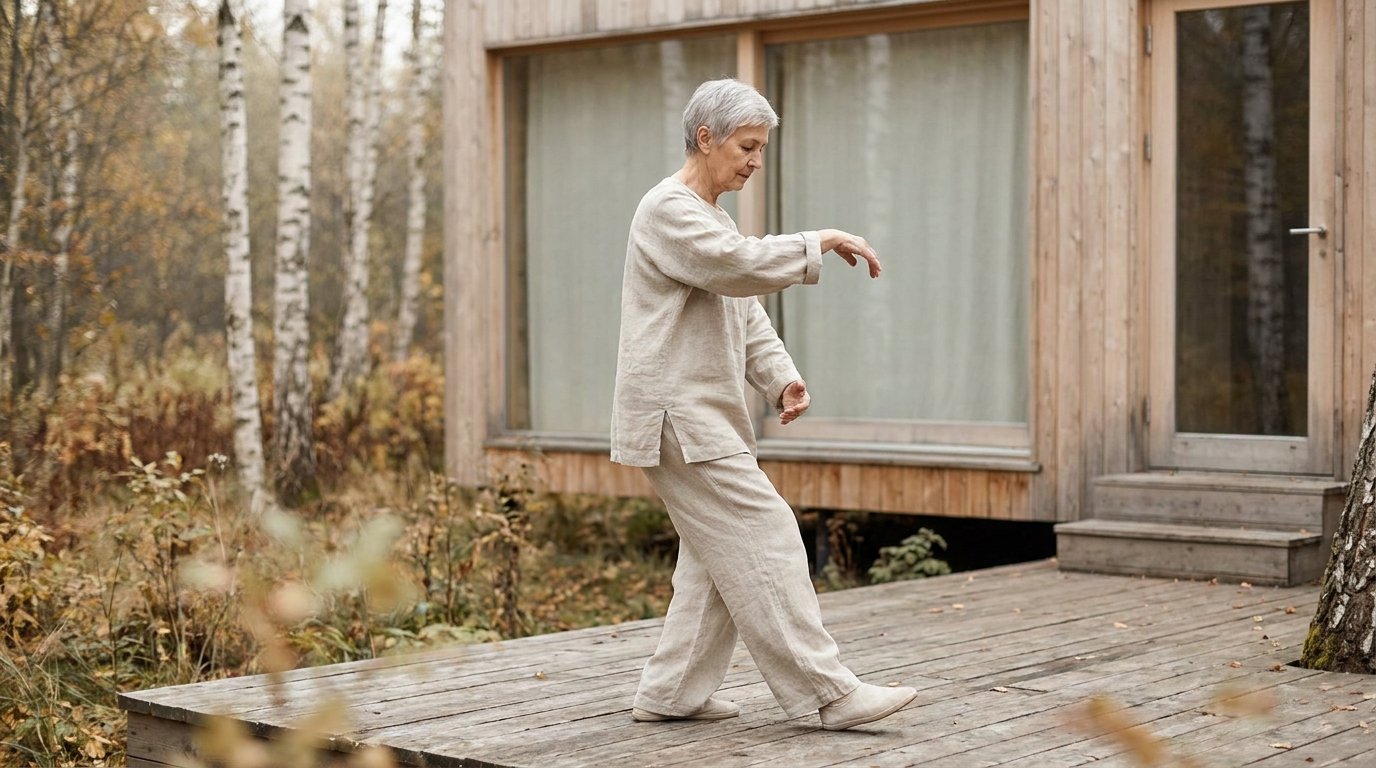
Aging often brings subtle changes to balance and mobility, making daily activities feel less secure over time. Gentle movement practices offer a reliable way to regain confidence without straining aging joints.
Users report Tai Chi helps seniors over 50 stay active at home without needing a gym or heavy equipment. Testing reveals short daily practices support mobility and calm while fitting seamlessly into retirement routines.
Understanding Tai Chi for Seniors
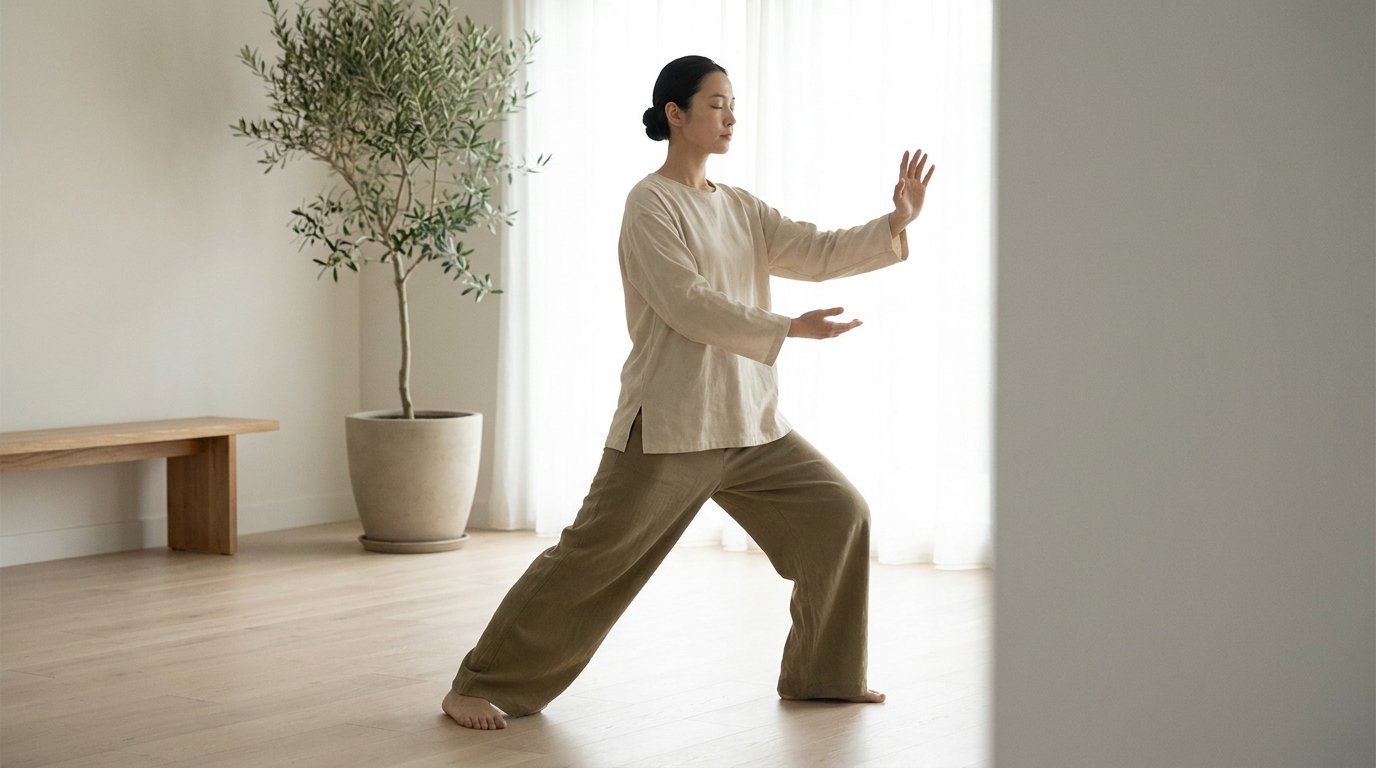
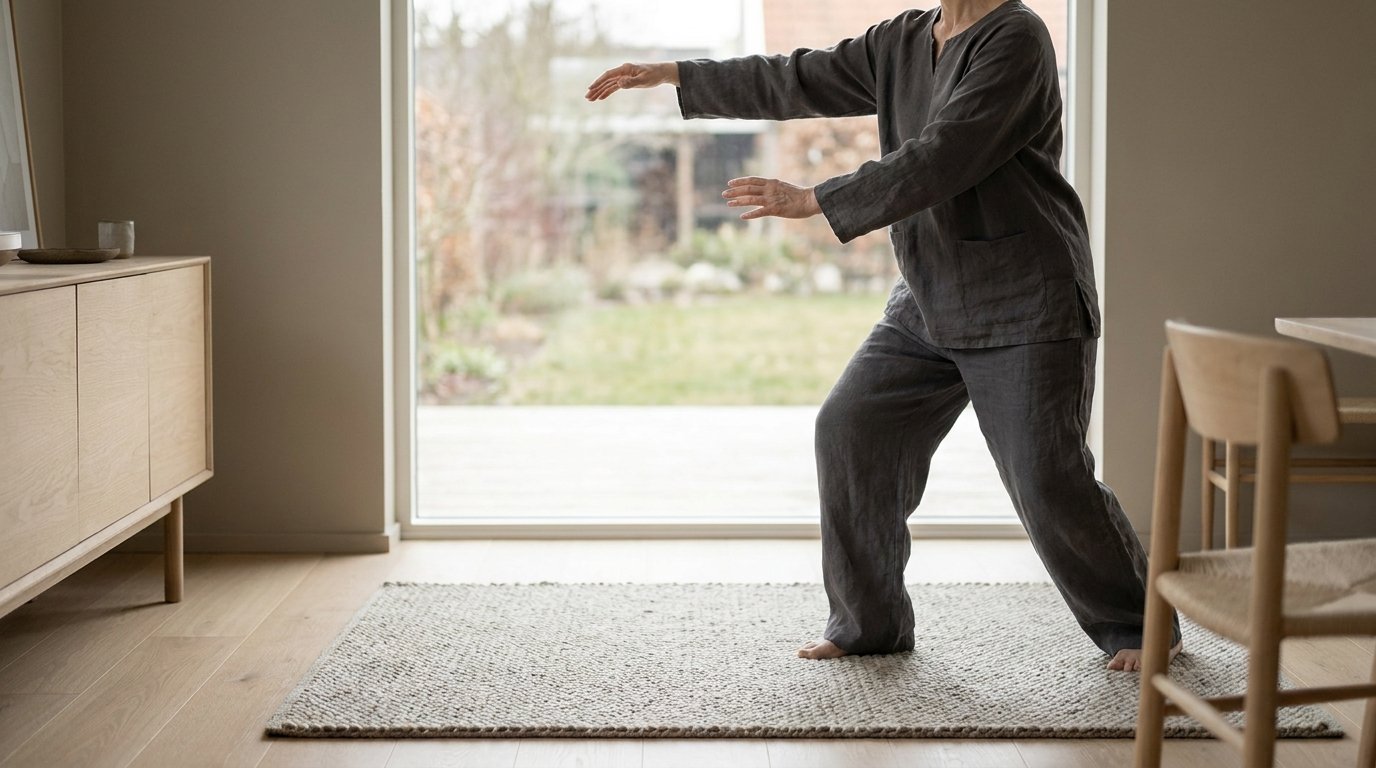
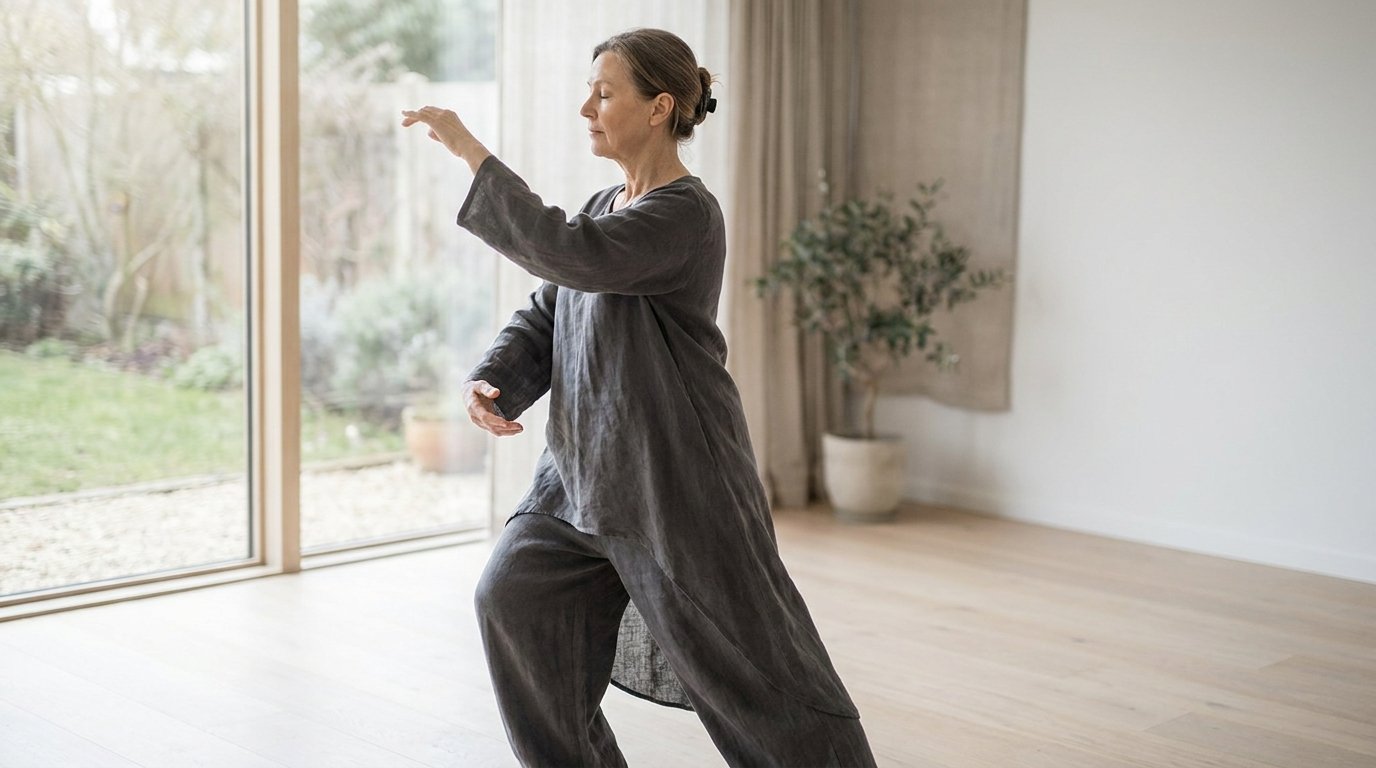
Tai Chi is a slow, mindful movement practice that improves proprioception through controlled weight shifts. It serves as a gentle introduction for beginners looking to regain stability.
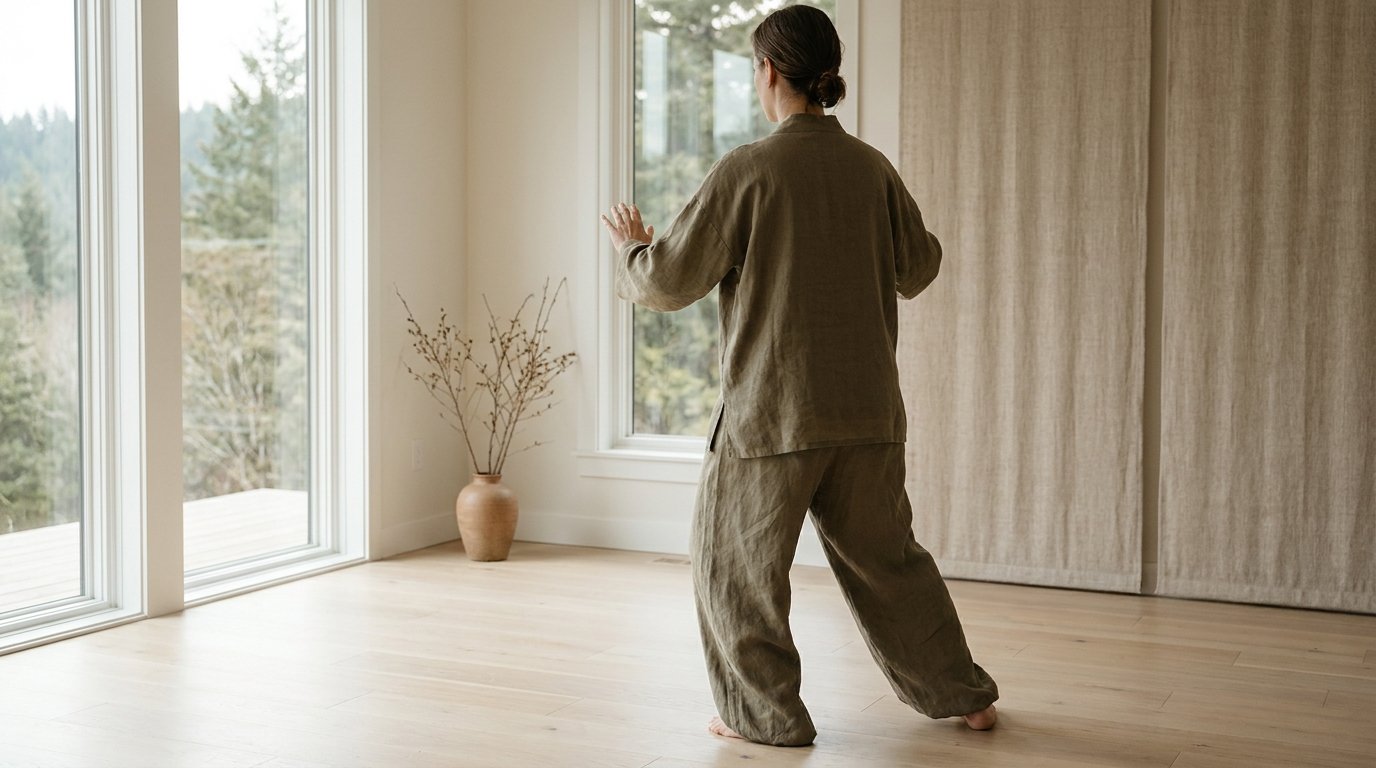
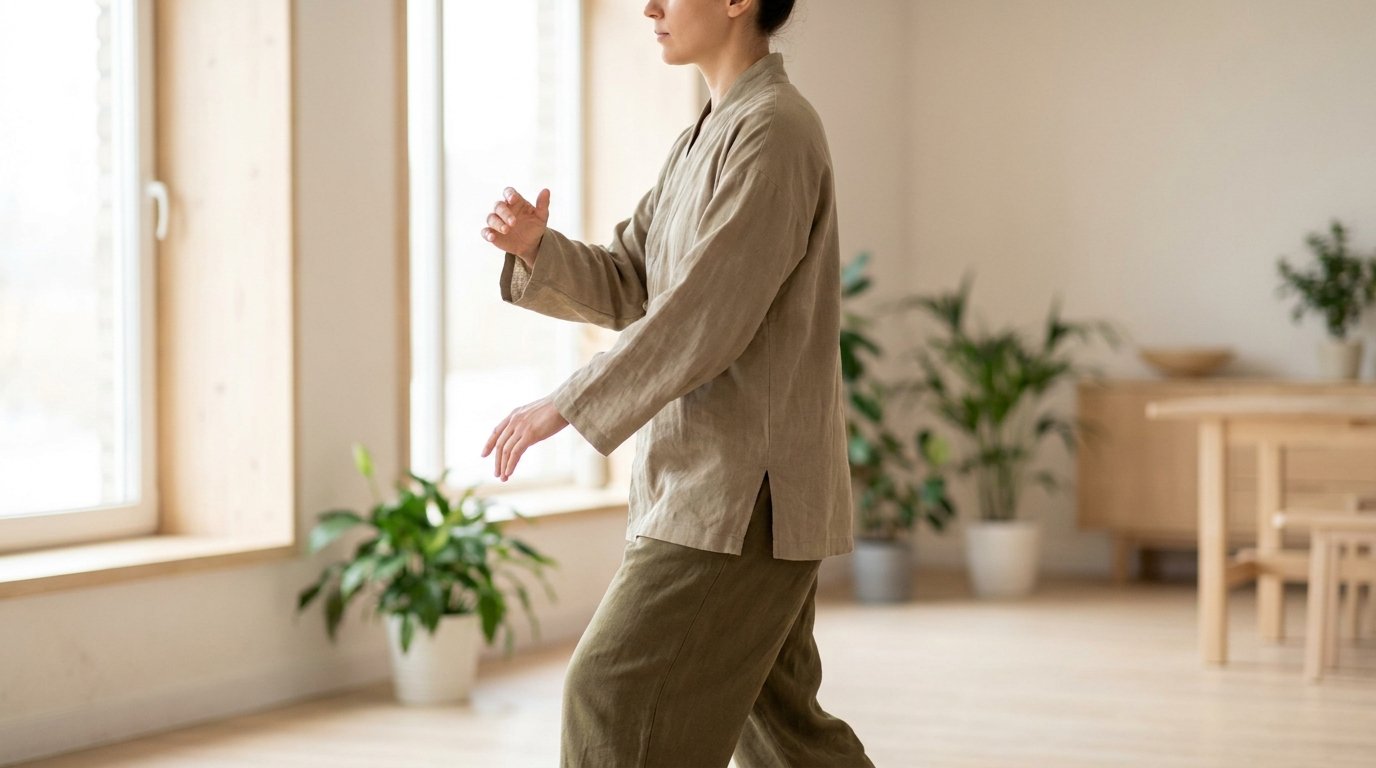
The practice focuses on shifting body weight smoothly from one leg to the other. This constant adjustment trains the nervous system to react quickly to physical changes.
What Makes Tai Chi Accessible for Adults Over 50
Users report short 5-minute low-impact moves at home suit retirees with mild arthritis seeking gradual walking stability. The movements flow smoothly, preventing sudden impacts on sensitive knees and hips.
Testing reveals it works without equipment for complete beginners returning to physical activity. You can practice in a living room, making it an ideal daily habit.
The slow pace allows participants to focus entirely on their form and breathing mechanics. There is no pressure to keep up with intense music or fast instructors.
Why Balance Matters in Daily Retirement Life
Seniors living independently report fear of falling drops with gentle weight shifting practices. Maintaining equilibrium prevents injuries and preserves long-term independence.
Concrete use cases show evening wind-down routines boost confidence in transitions for those over 60. Moving smoothly from sitting to standing becomes natural and effortless over time.
This renewed sense of physical control translates directly to a more active lifestyle. Let's move into the proven upsides that keep people consistent.
Key Benefits and How It Works
Consistent practice builds functional strength while calming the central nervous system. The benefits extend beyond the physical body, creating a positive feedback loop for overall wellness.
Balance Gains That Reduce Fall Risks
Research shows Tai Chi reduces fall risk through gentle weight shifting for older adults. The slow transitions force the core and stabilizing muscles to engage continuously.
A retiree with mild arthritis sees gradual improvement in walking stability from simple 5-minute morning routines. This daily reinforcement trains the brain to react better to sudden balance changes.
Joint flexibility also increases as muscles stretch dynamically during each sequence. This extra range of motion makes reaching and bending much safer.
Stress Relief Paired with Weight Management
Mindful breathing during sessions lowers cortisol, which helps the body process food efficiently. Personalized meal plans help seniors over 50 reach goals faster while enjoying favorite foods.
Testing reveals mindful breathing in sessions supports both fat loss and calm for caregivers with limited time. Integrating nutrition and gentle fitness yields better outcomes than strict dieting alone.
Lower stress levels naturally improve sleep quality and daily energy reserves.
Modern Solutions for Daily Wellness
Finding a structured routine tailored to aging bodies can be challenging without proper guidance. This is exactly the kind of challenge that taioga was designed to solve.
The platform offers a personalized guided wellness app with short, easy-to-follow Tai Chi sessions designed specifically for low-impact movement. It helps tone the body and build strength without requiring a gym or intense exertion.
Instead of piecing together random videos, you get a tailored plan that adapts to your current mobility level. Here is a simple sequence using taioga to build lower body stability:
Quick Start Sequence
- Setup - Open the app and select your customized 5-minute daily routine
- Form check - Follow the step-by-step visual guidance for proper alignment
- Weight shift - Perform the gentle side-to-side transitions as instructed
- Progress tracking - Log your session to maintain your daily streak
Having this structured progression prevents overexertion while ensuring steady improvements. The daily habit tracker is particularly useful for building consistency in the first month.
Practical Tips for Getting Started
Building a new physical habit requires simplicity and clear triggers in your day. Starting small ensures the routine feels manageable and enjoyable.
Start with One 5-Minute Session Daily
Users report beginning before breakfast builds consistency without overwhelm for beginners. Anchoring the practice to an existing habit guarantees it gets done early.
Concrete use cases show seated or standing options work during TV breaks for seniors managing work and family. You do not need an entire free hour to see meaningful changes in mobility.
Create a Dedicated Space at Home
Removing clutter from your practice area reduces the risk of tripping over obstacles. A clear zone creates a mental signal that it is time to focus on movement.
| Feature | Morning Routine | Evening Routine |
|---|---|---|
Energy Impact | Boosts alertness | Promotes relaxation |
Consistency | Easy to anchor | Good for unwinding |
Best For | Joint stiffness | Stress relief |
Adding natural light or fresh air to this space enhances the stress relief benefits. Watch out for these easy-to-miss issues that slow progress.
Common Mistakes to Avoid
Many well-intentioned individuals rush into routines that do not suit their current capabilities. Adjusting expectations prevents early burnout and frustration.
Skipping the Personalized Plan Setup
Following generic fitness advice often leads to strained muscles or abandoned goals. Testing reveals skipping the quiz means missing tailored goals that match fitness levels for adults 35+.
A beginner over 60 sees better results when plans adapt to limited mobility schedules. Using taioga simplifies this by instantly generating an easy-to-follow plan based on personal capabilities and limitations.
This targeted approach ensures every movement serves a specific purpose for your body.
Ignoring Progress Trackers for Motivation
Relying solely on willpower usually falters after the initial excitement wears off. Users report forgetting step counters and water trackers leads to lost momentum after week one.
Visualizing daily wins creates a psychological reward system that reinforces the habit. Tools like taioga handle this automatically, offering built-in step counters, water intake logs, and weight trackers.
Concrete use cases show visualizing weight changes keeps retirees consistent with habit streaks.
Overlooking Nutritional Support
Gentle movement provides excellent health benefits, but it works best alongside proper fuel. Ignoring dietary choices limits the potential for energy improvements and weight management.
Managing nutrition manually can be confusing, which is where taioga steps in with easy-to-follow personal meal plans. Created by top nutritionists, these guides allow you to enjoy favorite foods while supporting your wellness goals.
The combination of mindful movement and smart food choices accelerates results safely. Taioga makes avoiding these obstacles easier with comprehensive digital support.
FAQ
Is Tai Chi safe for seniors with joint issues?
Yes, low-impact moves reduce strain while supporting flexibility for chronic conditions. Short 5-minute sessions allow gradual starts without overexertion for adults over 50.
How long until I see balance improvements?
Users report noticeable stability gains within weeks of daily 5-minute routines. This ties directly to fall prevention benefits shown in guided Tai Chi walking practices for seniors.
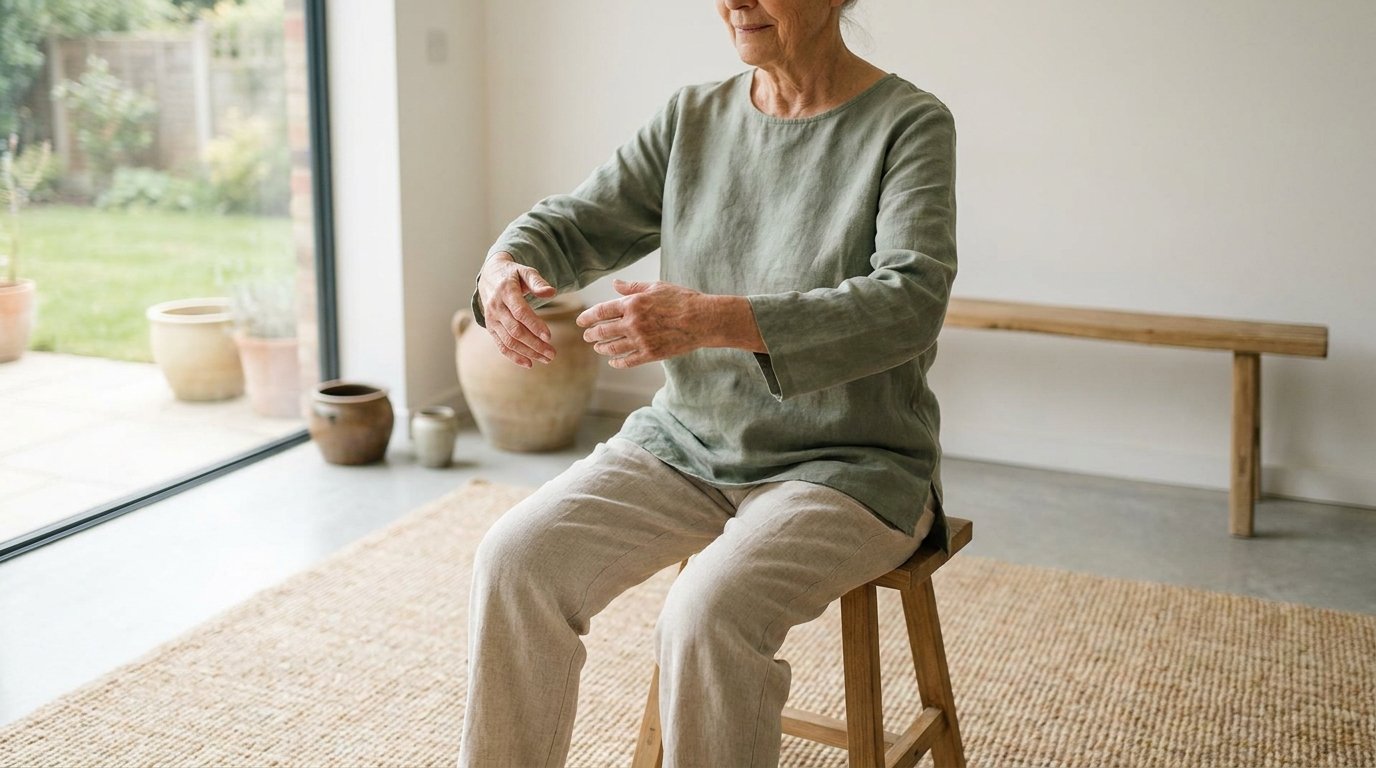
Can I do Tai Chi seated?
Seated options work perfectly for limited mobility and physical restrictions. Taioga adapts plans for retirees with arthritis, including evening wind-down use cases that boost sleep from stress relief.
What style is best for older adults?
Beginner-friendly slow movements focused on weight shifts and balance offer the safest entry point. Short sessions that fit home routines are ideal for those concerned about falls.
Does Tai Chi help with weight loss too?
It supports metabolism when paired with personalized meal plans and hydration trackers. Users report sustainable habits from combining Tai Chi with nutrition guidance in the app.
How do I stay motivated long term?
Motivating challenges and progress visuals keep consistency high when enthusiasm dips. Habit streaks work well for caregivers managing daily responsibilities alongside self-care.
Do I need equipment or a gym?
No equipment is required for full home accessibility. Concrete use cases like morning routines before breakfast work perfectly for independent seniors.
Final Thoughts
Consistent 5-minute sessions plus trackers lead to measurable stability gains for adults 50+. Regaining confidence in your balance and mobility does not require hours of strenuous gym time.
Gentle, mindful movement patterns train the brain and body to work together smoothly. With the right guidance and tracking tools, maintaining a daily habit becomes an enjoyable part of your routine.
Visit taioga to start a personalized plan that fits any fitness level and keeps you moving forward safely.