Tai Chi For Balance: Building Daily Stability For Adults Over 50
ByTaioga Editorial
Updated onJuly 21, 2026
Users report struggling with daily stability after 50, but testing reveals simple guided movement changes everything. This guide provides a practical walkthrough showing how tai chi for balance fits into busy lives without requiring extra equipment.
Taking the first step toward better coordination does not have to involve intense strain.
Understanding Tai Chi For Balance
Fear of falling often creeps into everyday walks and normal transitions around the home. Adults find themselves reaching for handrails more often or avoiding uneven surfaces entirely.
Turning to structured, mindful routines offers a clear path toward regaining confidence in every step.
What Tai Chi For Balance Actually Means For Beginners
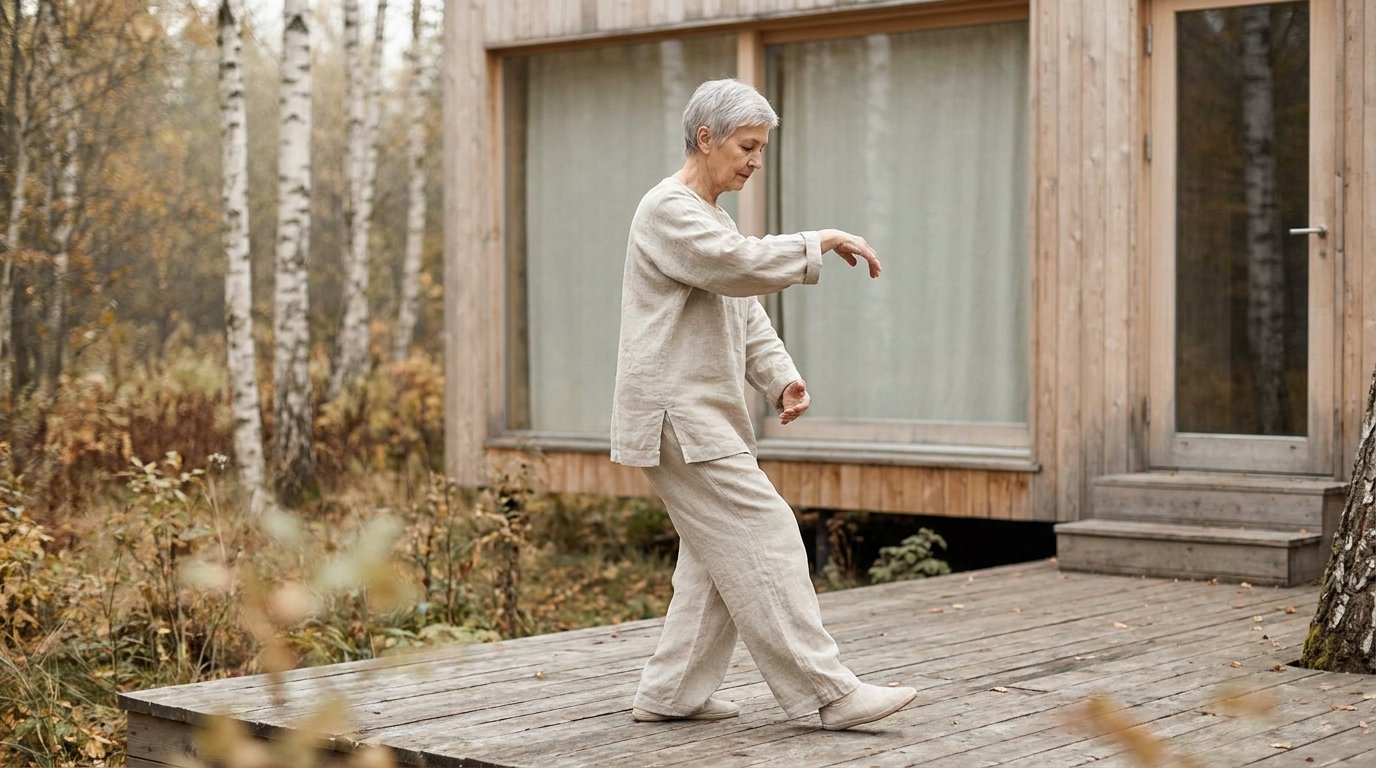
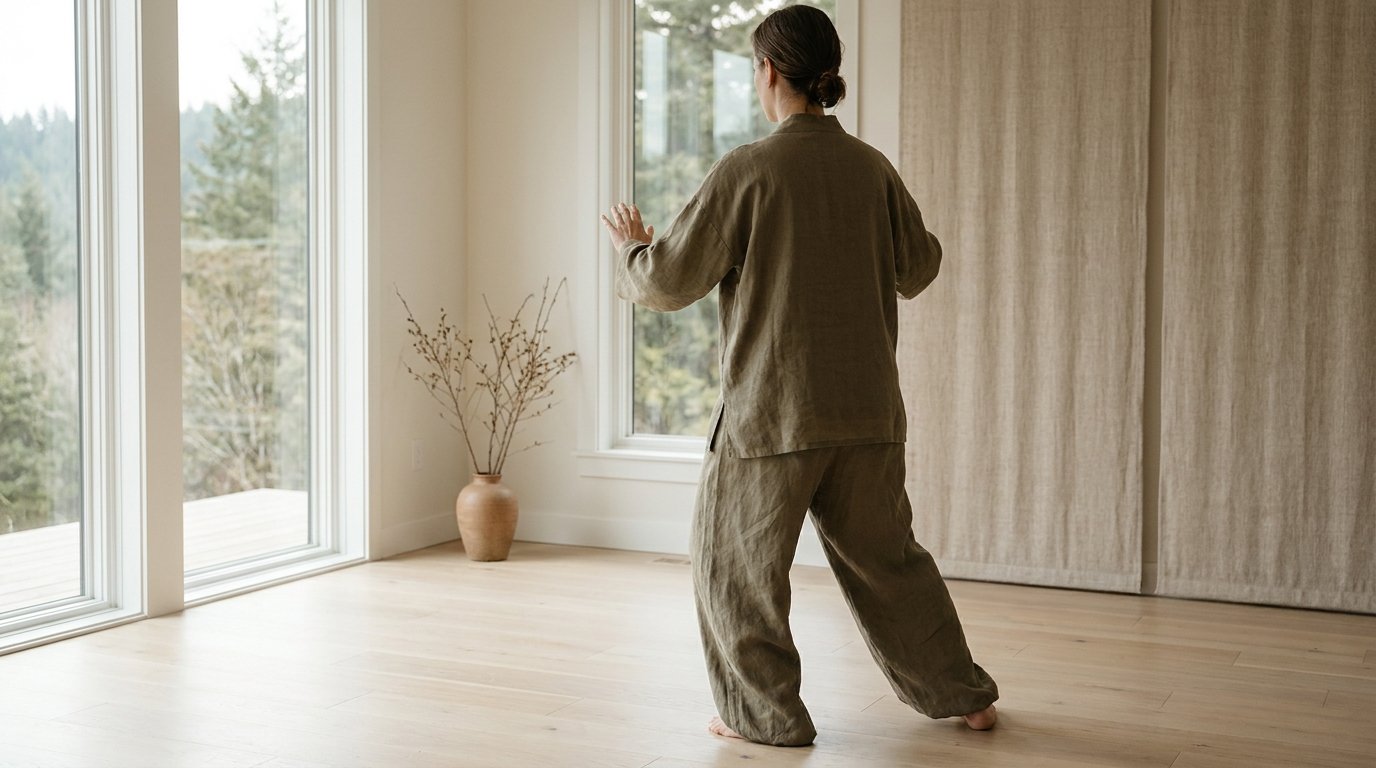
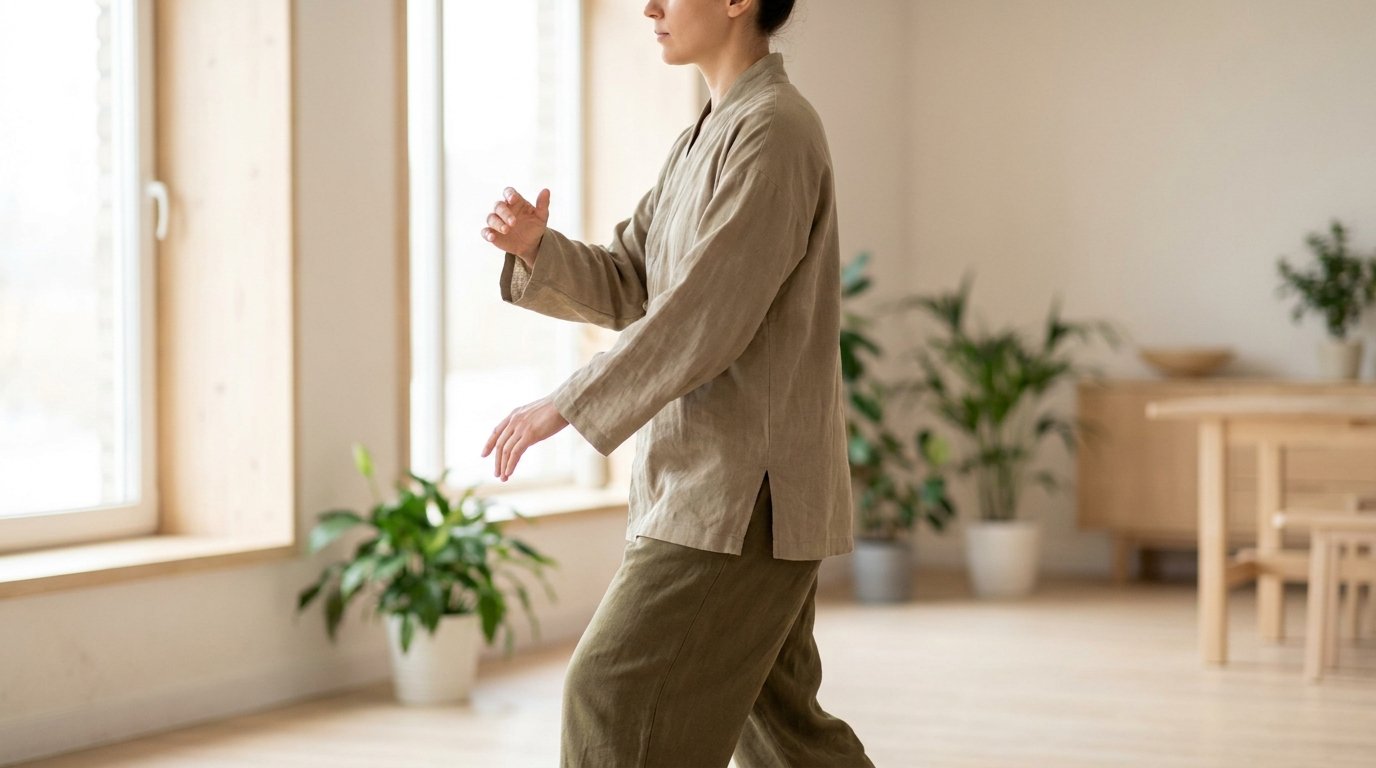
Slow mindful movements train proprioception and stability so adults over 50 gain better coordination. Testing reveals these controlled shifts build lower body strength and confidence during normal home routines.
Users report starting with no prior experience and seeing smoother daily movement in just a few weeks. The gentle nature of the practice ensures progress happens without putting excess pressure on aging joints.
Let us break down exactly why these specific routines deliver such reliable physical results.
Key Benefits And How It Works
Research shows these mindful practices reduce falls up to 45 percent for older adults. The routines simultaneously support better upright posture and long-term joint mobility.
Consistent practice transforms a hesitant stride into a secure, grounded walking pattern.
Balance Gains That Show Up In Real Life
Users report better stability during routine activities like stepping onto curbs after consistent practice. Testing reveals improved leg strength and a reduced fear of falling when seniors follow video routines at home.
The approach fits busy adults who want low-impact options without gym access.
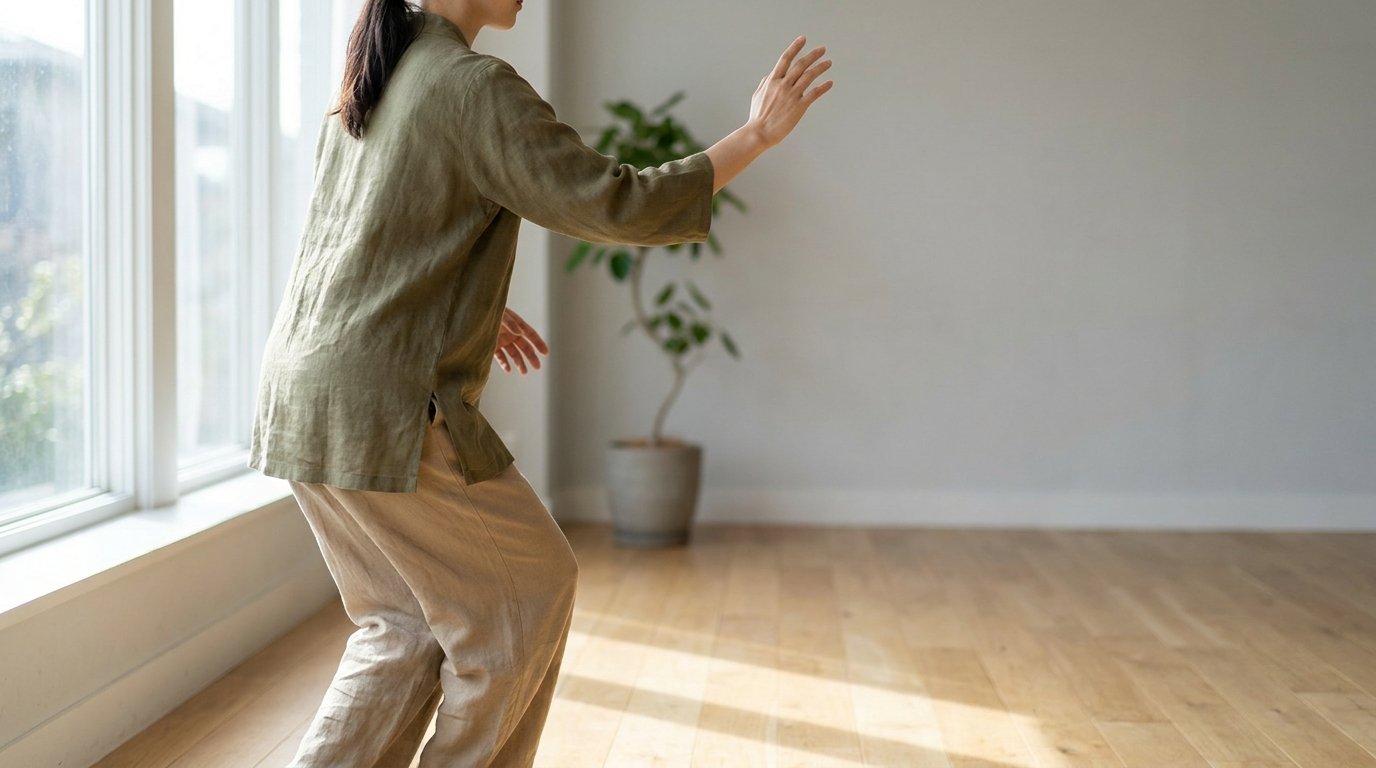
Daily Scenarios Where Tai Chi Helps Most
Busy professionals aged 35 to 50 often add short sessions for better posture and stress relief between meetings. Weight-conscious users also pair the movements with meal guidance to support overall wellness without feeling overwhelmed.
For busy individuals, finding time for a lengthy studio class often feels impossible. This is exactly the physical challenge taioga was designed to solve.
As a guided wellness app, taioga provides personalized, low-impact plans that fit directly into any hectic schedule. The built-in water intake and step trackers provide visual feedback that keeps motivation high.
Users simply log their daily progress on their phones, helping them build wellness habits effortlessly.
| Feature | Unstructured Practice | Guided App Routine |
|---|---|---|
Progress Tracking | Manual notes | Automatic trackers |
Routine Design | Guesswork | Personalized plans |
Accessibility | Studio required | Anywhere access |
Ready to try it yourself and experience these real-world improvements? Here is how to begin today.
Practical Tips For Getting Started
Start with short guided sessions that easily fit into any schedule and build from there. Focusing on form rather than speed ensures the body adapts safely to the new movements.
Small daily commitments always yield better outcomes than occasional, intense weekend workouts.
Simple First-Week Routine Anyone Can Follow
Users report beginning with short daily workouts using visual instruction at home with no equipment. Testing reveals that focusing on weight shifting and posture improves coordination quickly for beginners.
The daily plan adapts to personal schedules so consistency stays easy to maintain.
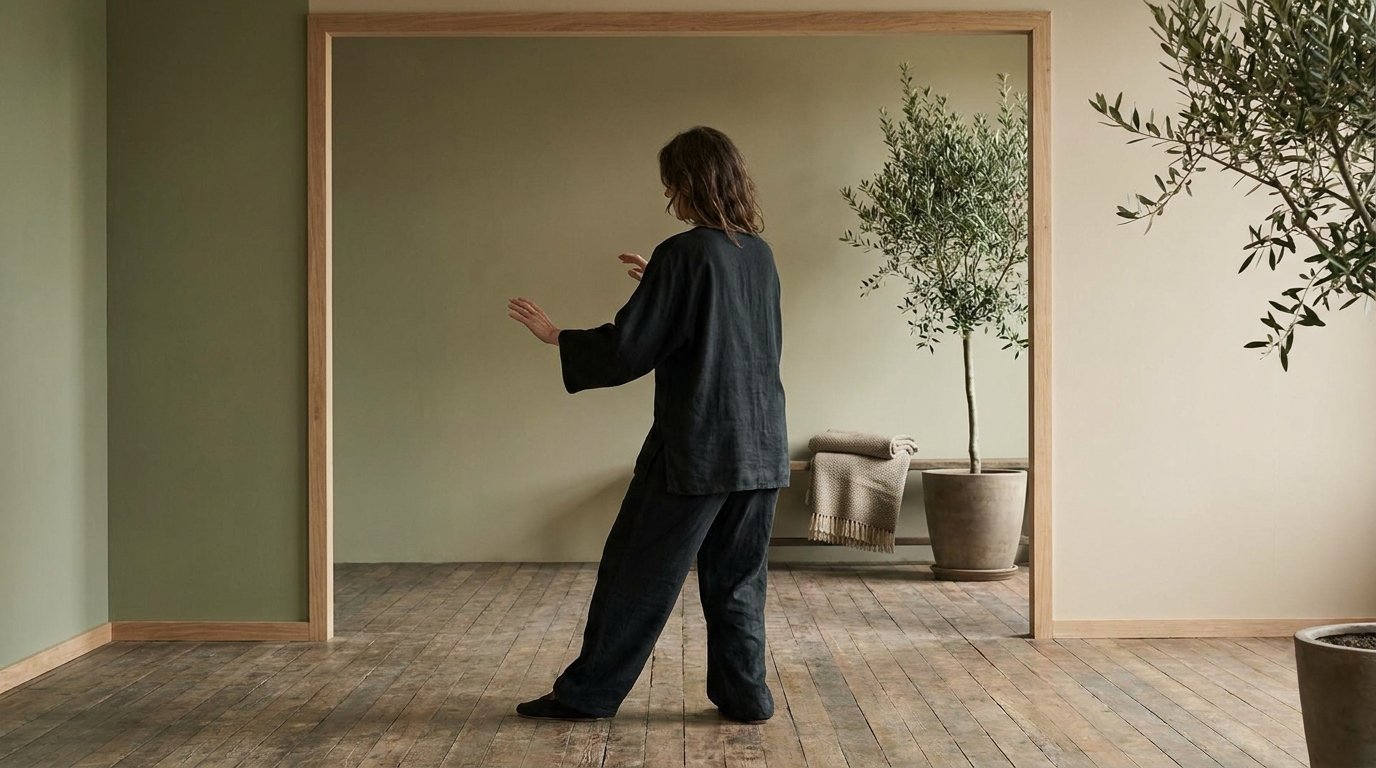
Technology-Assisted Approaches
Building a new physical habit is easier when you have structured, accessible support. Using taioga for daily movement provides step-by-step guidance tailored specifically to adult fitness levels.
Here is a simple guided sequence utilizing this digital tool:
Quick Start Sequence
- Initial setup - Download the application and complete the personalized assessment to gauge current stability.
- Select duration - Choose a quick low-impact session designed specifically for early beginners.
- Follow guidance - Watch the visual instructions and mirror the slow, controlled weight-shifting movements.
- Track completion - Log the finished session in the daily habit tracker to monitor weekly consistency.
This structured approach removes the guesswork entirely from home practice. The daily habit tracker is particularly useful for building consistency during that crucial first month.
Even with the best intentions, some common slips happen early on.
Common Mistakes To Avoid
Small adjustments keep your physical progress steady, safe, and moving in the right direction. Ignoring proper alignment often leads to frustrating plateaus or mild joint discomfort.
Recognizing these early pitfalls ensures the practice remains both enjoyable and effective.
Rushing Form Or Skipping Consistency
Users report trying to move too fast early on, missing the stability benefits that come from slow practice. Testing reveals pairing short sessions with habit trackers helps seniors stay consistent.
It is easy to fall into the misconception that these mindful motions are too slow to work.
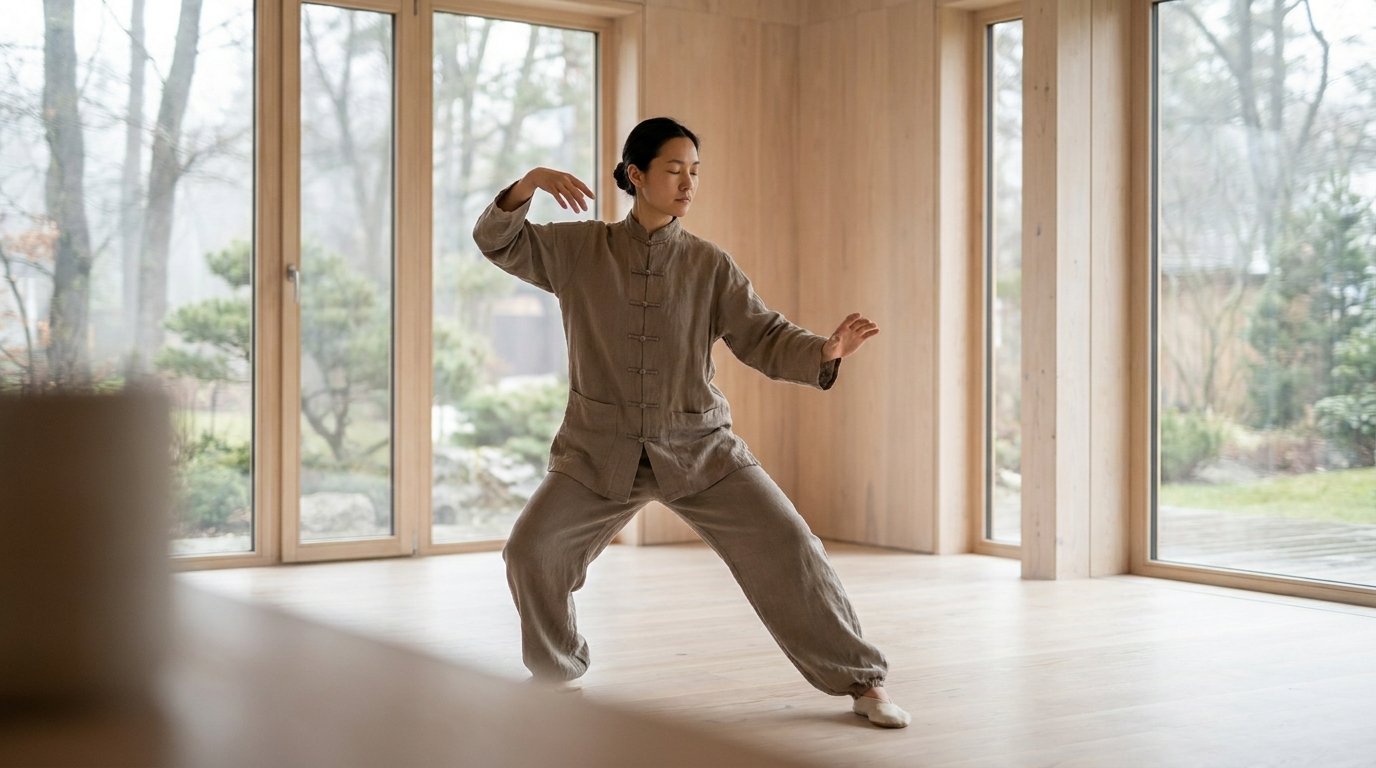
When working out alone, the temptation to rush through movements often leads to poor physical form. Instead of pacing routines manually, taioga handles it by providing real-time visual pacing guides.
The motivating challenges built into the platform encourage users to prioritize steady progress over speed. This ensures adults maintain proper alignment and maximize the stability benefits of each pose.
Establishing a reliable routine is the best defense against these common early errors.
Summary And Next Steps
Tai chi for balance delivers measurable stability when practiced regularly in short, manageable sessions. It offers a gentle pathway back to confident movement for adults over fifty.
Building an active lifestyle does not require massive overhauls to your daily routine.
Your Action Plan This Week
Users report starting with just one guided session today and adding the step counter to track progress. Testing reveals that following a customized plan combines movement with nutrition support for lasting physical results.
Finding balanced recipes takes time, but taioga simplifies this by offering easy-to-follow personal meal plans. The expert guidance ensures your diet matches your new wellness routine.
Users just check their daily suggestions and enjoy foods that fuel their recovery naturally. This dual approach to diet and mindful movement delivers lasting improvements in daily energy.
FAQ
What Tai Chi moves improve balance?
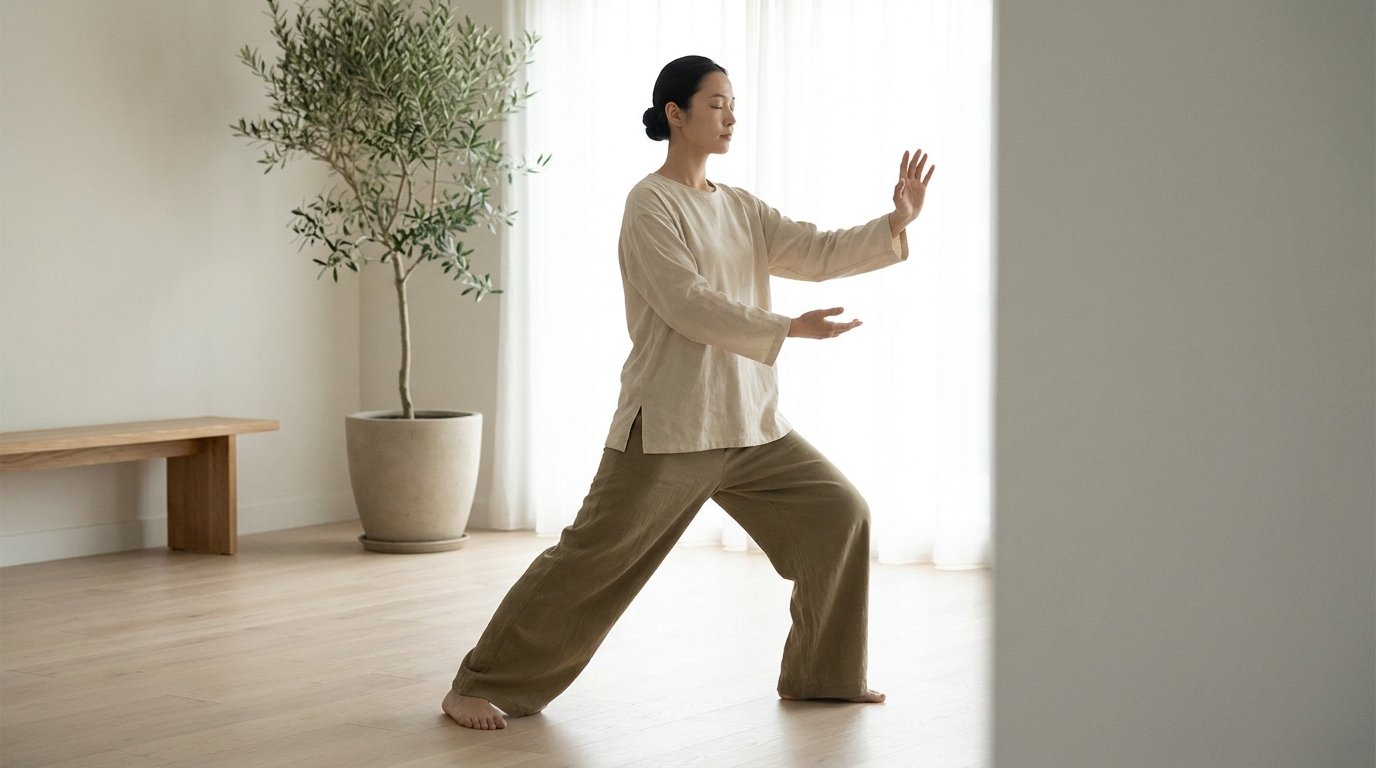
Specific focus on weight shifting and posture alignment delivers the most reliable improvements. Studies show that emphasizing the transfer of body weight from one leg to another engages core stabilizers directly.
Guided sessions in taioga make these specific motions beginner-friendly for adults seeking active fall prevention.
How often should I practice for results?
Research indicates that engaging in daily 5-minute sessions yields steady gains in coordination and lower body strength. Short, frequent practice helps the nervous system adapt to new movement patterns safely.
Users report the best outcomes when combining this daily movement with digital habit trackers. Consistent practice is linked directly to reduced fall risk numbers in older populations.
Is Tai Chi safe for seniors or those with limited mobility?
The low-impact format perfectly suits seniors and those returning to exercise after a long break. Testing reveals that participants experience improved physical confidence without placing strain on their joints.
Home-based guided sessions remove the barriers of travel and crowded gyms entirely. This accessible setup allows users to practice safely near a wall or sturdy chair if needed.
Can tai chi for balance help with weight goals too?
While primarily known for stability, these slow movements keep the heart rate slightly elevated. Short mindful sessions pair excellently with personalized meal plan features to support overall body composition.
Users often report better daily energy and improved body tone alongside their stability gains.
Do I need equipment or a gym for tai chi for balance?
No special equipment or expensive studio memberships are required to get started. The no-equipment home practice works perfectly for busy adults managing tight schedules.
Testing reveals that brief daily workouts fit easily into any living room or small office space.
How soon will I notice better stability?
Nervous system adaptations begin almost immediately, but physical changes take a little longer. Users report smoother daily movement and increased confidence in just a few weeks.
Staying consistent with guided routines and habit trackers accelerates these noticeable physical benefits.
The Final Take
Regaining confidence in your step begins with small, deliberate motions practiced consistently. Mindful movement offers a proven, low-impact method for adults to protect their independence and mobility.
Taking advantage of modern guided tools makes establishing this healthy routine easier than ever.